Who we are
We play at the intersection of water, vibration, and cymatics — in animal sounds, music, and living frequencies — bringing coherence to your body, the water, and our living planet.
The science
We put sound into water.
The physics
99%
Air blocks sound. Water doesn't.
A sound wave moving through air loses about 99% of its energy at the skin. Water is almost the same density as soft tissue, so nearly all of it gets through.
The body
Piezo1 · Piezo2
Vibration is felt, not just heard.
Once inside, low-amplitude vibration reaches bone, fascia and organs, switching on the mechanoreceptors that cells use to sense pressure and movement.
The cell
20 Hz – 20 kHz+
The full spectrum, inside one cell.
We play from 20 Hz to 20 kHz and beyond — the whole range of human hearing and past it — so an entire experience can be carried into the cell itself.
The stories
Ocean News


Advancing Active Acoustics: How Scientists Use Sound to Monitor a Three-Dimensional Ocean
NOAA researchers are utilizing active acoustic technology to map the movement of fish schools and plankton in the deep ocean. This method allows scientists to observe biological activity in the water column that is otherwise invisible to traditional surface-level sampling.
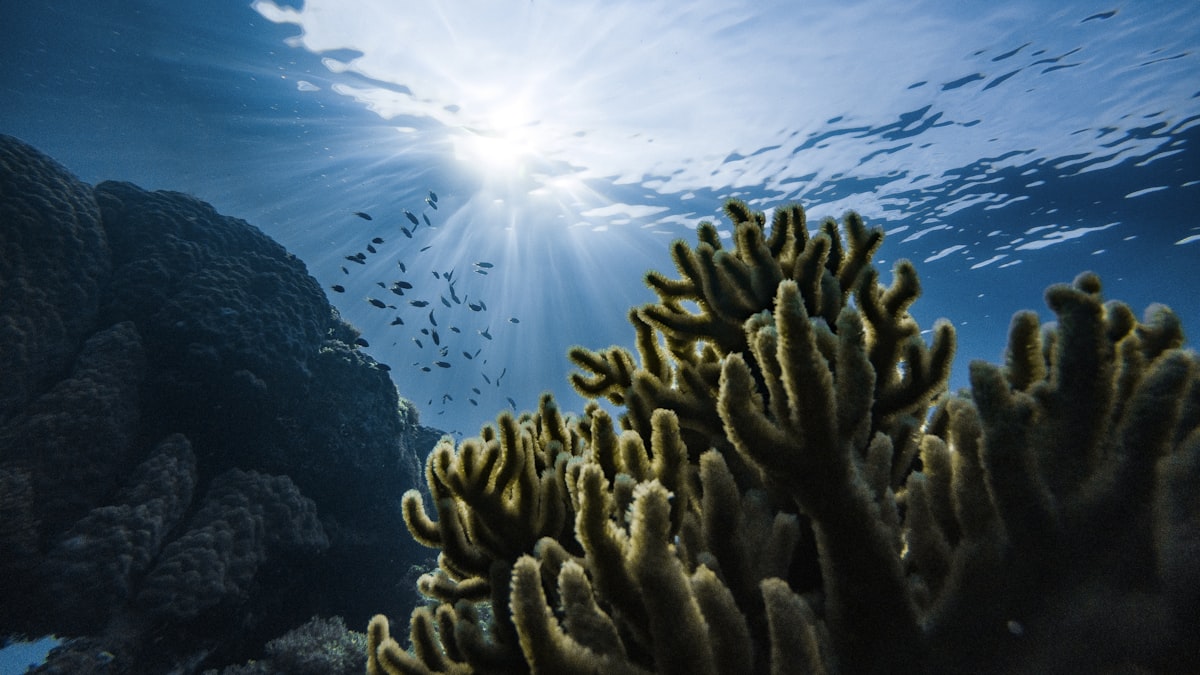
Then and Now: Kelly Benoit-Bird Unravels the Ocean’s Secrets with Sound Waves
Dr. Kelly Benoit-Bird is pioneering new acoustic technologies to study the complex behaviors of deep-sea creatures. Her work reveals how animals navigate light and pressure changes, providing a deeper understanding of the hidden dynamics of underwater ecosystems.
In situ enhancement of coral larval settlement using acoustic enrichment, engineered habitats and living materials
This study provides a detailed analysis of how acoustic enrichment, combined with 3D-printed structures and bacterial 'reef ink,' can accelerate coral recovery. The findings suggest that multi-modal restoration strategies are essential for reviving degraded reef ecosystems.

Gulf of Alaska Soundscape Report
NOAA's long-term monitoring of the Gulf of Alaska reveals how seasonal shifts in wind, weather, and human activity create distinct acoustic signatures. This data is critical for understanding the impact of noise pollution on baleen whale migration and habitat health.

To boost conservation of kelp forests, start by naming them
Conservationists argue that kelp forests are often overlooked in global policy compared to coral reefs. By formally naming and categorizing these 'underwater forests,' activists hope to secure better protections for these vital carbon-sequestering ecosystems.

Targeted by al-Shabaab for defending Kenya’s ecosystems: Foundation founder gets award
A grassroots conservation leader in Kenya has been recognized for his bravery in protecting local marine ecosystems despite threats from extremist groups. This story highlights the dangerous reality faced by frontline defenders of ocean biodiversity.
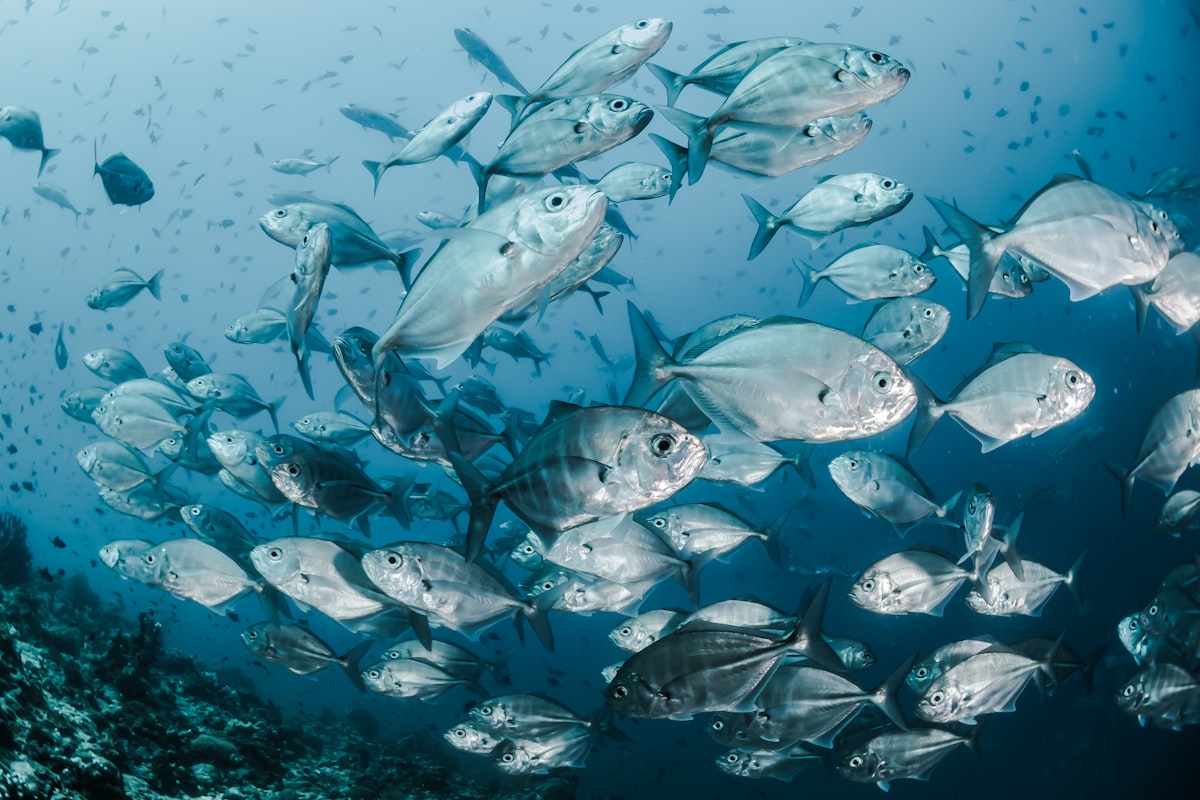
Ultrasound Could Improve Coral Restoration Efforts
Scientists are now utilizing ultrasound technology to detect eggs within living coral, a development that could significantly improve spawning predictions. This non-invasive method provides a new tool for reef restoration programs to better time their conservation interventions.
Underwater Speakers Playing Healthy Reef Sounds in Hawaii Drew More Baby Coral and 4 to 14 Times More Fish Larvae
Field experiments in Kāneʻohe Bay revealed that acoustic enrichment significantly increases the recruitment of fish larvae to degraded reefs. The study suggests that sound acts as a vital navigation cue for larvae, signaling that a location is safe and healthy for settlement.
The sounds of the sea drive a new strategy to restore coral reefs and recover biodiversity
Researchers are integrating acoustic enrichment with biological formulations like BRINK to enhance coral settlement. This hybrid approach, which combines sound, physical shelter, and beneficial bacteria, represents a sophisticated new strategy for marine environmental recovery.
Repurposing the internet’s backbone to advance whale monitoring
Researchers have successfully used existing fiber-optic telecommunication cables on the seafloor to detect whale vocalizations using distributed acoustic sensing (DAS). This breakthrough allows scientists to turn global undersea infrastructure into a massive, real-time monitoring network for baleen whales.
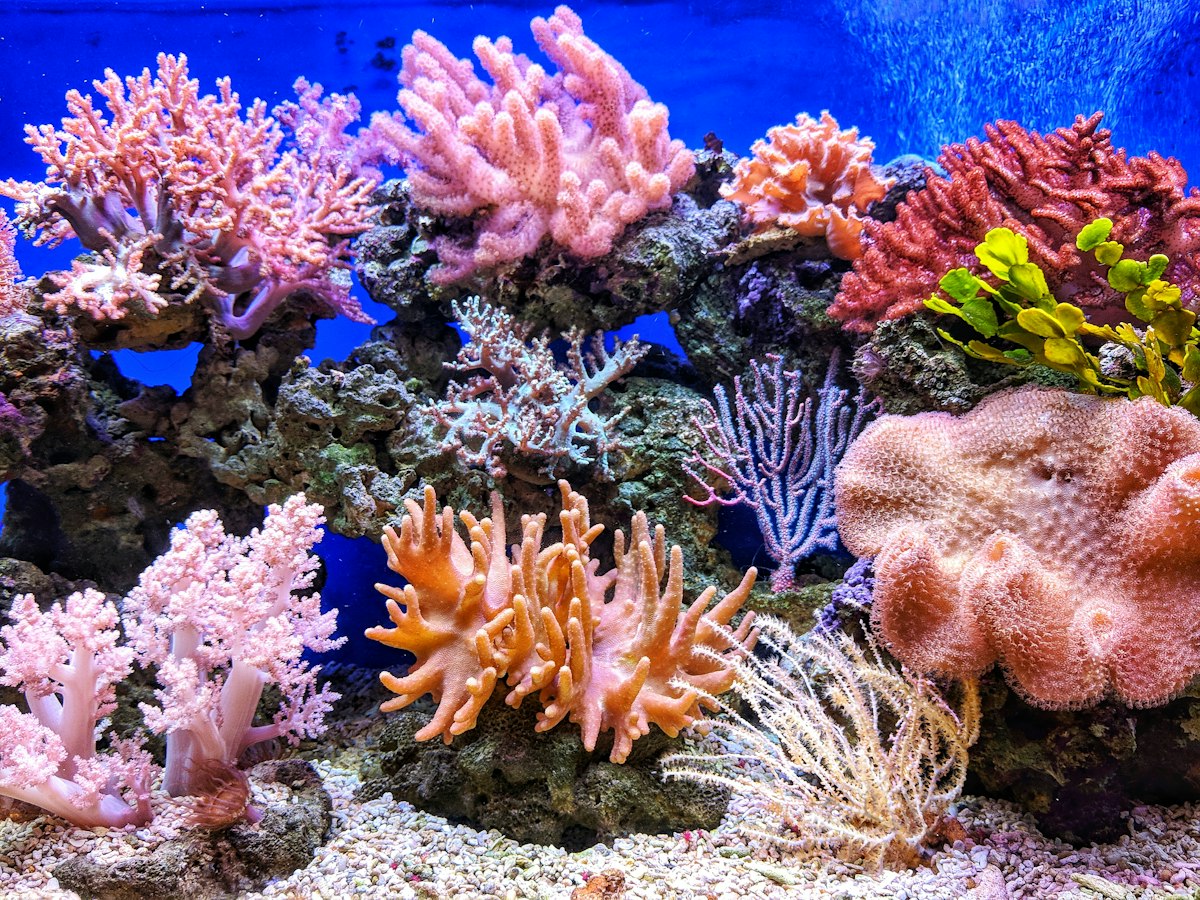
Underwater Speakers Playing Healthy Reef Sounds in Hawaii Drew More Baby Coral
By combining acoustic enrichment with 'BRINK' (a biological reef ink) and 3D-printed structures, scientists are creating hybrid reefs that mimic natural environments. The study shows that while sound attracts larvae, the combination of biological and structural cues provides the most effective path for reef regeneration.
Scientists Discovered That Playing Ocean Sounds Through Underwater Speakers Can Bring Dying Coral Reefs Back to Life
This report highlights the 'acoustic lifeline' of coral reefs, explaining that degraded reefs go silent, which prevents new larvae from settling. By reintroducing the soundscape of a healthy reef, researchers are effectively 're-tuning' the environment to invite life back to barren seafloors.